
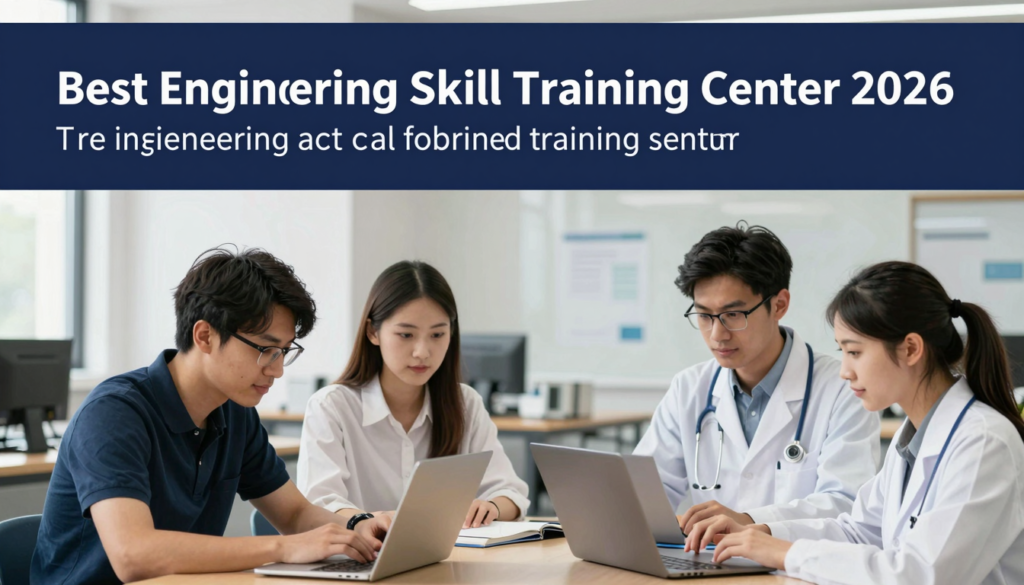
Evaluating the Best Engineering Skill Training Centers in 2026
As technology continues to evolve at a rapid pace, so does the demand for skilled engineers. In 2026, the landscape of engineering skill training centers will be more diverse and specialized than ever before. This year marks a pivotal moment for those seeking to enter or advance in the engineering field. Selecting the best engineering skill training center can significantly influence your career trajectory. Here, we’ll explore key factors that will help you evaluate these training centers and make an informed choice.
Key Factors to Consider
When searching for the best engineering skill training center, it’s essential to consider several important factors. These can help you ensure that you receive quality education and training that aligns with your career goals.
- Accreditation: Check if the center is accredited by recognized bodies. Accreditation ensures that the institution meets certain educational standards.
- Curriculum: Review the course offerings. Look for updated and relevant courses that align with current industry trends.
- Industry Partnerships: Training centers that collaborate with industry leaders often provide students with valuable hands-on experiences and networking opportunities.
- Facilities: Investigate if the center has modern labs and equipment. Access to cutting-edge tools is vital for practical, skill-based learning.
- Qualified Instructors: The experience and credentials of instructors can make a significant difference. Look for centers staffed by industry experts with real-world experience.
- Job Placement Services: Good training centers often offer career services to help graduates secure jobs after completing their programs.
Types of Engineering Skills in Demand
In 2026, several engineering skills are expected to be in high demand, driven by technological advancements and global challenges. Here is a quick overview:
| Engineering Field | Key Skills |
| Software Engineering | Programming, Cloud Computing, Cybersecurity |
| Civil Engineering | Project Management, Structural Analysis, Sustainability Practices |
| Mechanical Engineering | CAD Design, Robotics, Thermal Systems |
| Electrical Engineering | Control Systems, Circuit Design, Renewable Energy Technologies |
Top Training Centers in 2026
Based on the aforementioned factors, several engineering skill training centers are emerging as leaders in 2026. Here’s a list of some top-rated institutions:
| Center Name | Location | Specialization |
| Tech Innovators Institute | San Francisco, CA | Software Engineering |
| Modern Civil Solutions | New York, NY | Civil and Structural Engineering |
| Engineering Design Academy | Chicago, IL | Mechanical Engineering |
| ElectroTech Training Center | Austin, TX | Electrical Engineering |
Feedback and Reviews
Before committing to any training center, it’s wise to read reviews from past students. Look for feedback on the following aspects:
- Quality of teaching
- Course materials and resources
- Support services
- Real-world applications and projects
Websites like Course Report and Student Reviews frequently update their platforms with personal experiences that can guide your decision.
Networking Opportunities
Attending a reputable engineering skill training center often opens up networking possibilities. Many centers organize industry events, guest lectures, and workshops. Such interactions can lead to internships, job offers, and collaborations in the future.
Selecting the best engineering skill training center in 2026 involves careful consideration of various factors, including accreditation, curriculum, industry connections, and student feedback. Equip yourself with the necessary skills and knowledge that will prepare you for success in the engineering landscape of the future.
The Impact of Advanced Technology on Engineering Education
The landscape of engineering education is undergoing a remarkable transformation due to the rapid advancement of technology. Educational institutions are adapting to these changes to enhance the learning experience for students. Students now have access to various learning tools, resources, and platforms that cater to diverse learning styles. This evolution not only prepares graduates for the job market but also creates engineers who are more innovative and versatile.
The integration of advanced technology into engineering education helps students in several ways. Firstly, online learning platforms have expanded the reach of quality education, allowing students from different geographical locations to access top-notch coursework. Institutions are utilizing interactive software, virtual labs, and simulation tools that provide practical experiences without the need for physical resources. This shift has made education more accessible and flexible, breaking down barriers that traditional classroom settings often impose.
Enhancing Learning with Technology
Key technologies have emerged as valuable resources in engineering education. These technologies play a crucial role in developing essential skills and knowledge among students:
- Virtual Reality (VR): VR allows students to immerse themselves in a simulated environment where they can experiment with engineering concepts in a risk-free setting.
- Augmented Reality (AR): AR tools offer an interactive dimension to learning, helping students visualize complex engineering systems and processes in real-time.
- Online Collaboration Tools: Tools like Slack and Trello enhance teamwork among students, preparing them for the collaborative nature of the engineering workforce.
- 3D Printing: With the rise of additive manufacturing, students can bring their designs to life quickly and affordably.
- Data Analytics: Courses that incorporate big data and analytics equip students with the necessary skills to make informed engineering decisions based on quantitative analysis.
Moreover, with the rise of MOOCs (Massive Open Online Courses), students can now learn from industry experts and top universities without incurring hefty tuition fees. This democratization of education fosters a culture where students are encouraged to self-learn and explore topics beyond their curriculum.
Adapting Curriculum to Industry Needs
Engineering curricula are undergoing significant changes to match the skills demanded by industries. Educational institutions now collaborate with tech companies to ensure their programs reflect current trends and technologies. This alignment helps create a workforce that is not only skilled but also equipped to tackle modern engineering challenges effectively.
A few modern engineering programs focus on:
- Real-world problem-solving projects, often sourced from industry partners.
- Interdisciplinary courses that incorporate elements of computer science, sustainability, and management.
- Curriculums that emphasize soft skills like communication, leadership, and teamwork alongside technical knowledge.
The Role of Artificial Intelligence
Artificial Intelligence (AI) is reshaping engineering education as well. AI-driven learning platforms personalize the learning experience for students. By analyzing student interactions and performance, these platforms can recommend tailored resources and tracks based on individual needs.
For example:
| AI Application | Benefit |
| Personalized Learning Paths | Students receive support based on their performance metrics, optimizing their learning process. |
| Automated Grading | Instructors save time with AI tools that assess student submissions, allowing for quicker feedback. |
| Virtual Tutors | AI chatbots can answer students’ questions in real-time, offering assistance outside of classroom hours. |
Challenges to Consider
Despite the numerous benefits, integrating advanced technology into engineering education comes with challenges. Institutions must invest in technology, training educators and ensuring that students have reliable internet access. Additionally, keeping up with the fast-paced technological changes requires constant curriculum updates, which can be resource-intensive.
As we progress toward a more technology-driven future, the trajectory of engineering education will continue to evolve. The convergence of technology and education is creating a more dynamic learning environment, empowering the next generation of engineers to innovate and excel in their careers.
Career Opportunities After Completing Engineering Skills Training
The world of engineering is constantly evolving, and so are the opportunities for skilled professionals in this dynamic field. Completing engineering skills training equips you with specialized knowledge and practical abilities that can set you apart in the job market. Many exciting avenues await you once you have completed your training, making it a worthwhile investment in your future.
After you finish your engineering skills training, you can explore a variety of career paths across different industries. Here are some promising options to consider:
- Software Engineer: With the growing dependence on technology, software engineers are in high demand. They develop applications, systems, and software solutions for various platforms.
- Civil Engineer: If you have an interest in infrastructure, civil engineering could be for you. These professionals design and oversee the construction of roads, bridges, buildings, and other essential projects.
- Mechanical Engineer: Mechanical engineers work on designing, analyzing, and manufacturing different products and systems. They test and optimize new devices in various sectors, including automotive, aerospace, and robotics.
- Electrical Engineer: As technology advances, electrical engineers find themselves working in innovative areas such as renewable energy systems, robotics, and electronics.
- Chemical Engineer: Chemical engineers play a crucial role in developing processes for large-scale manufacturing of chemicals, pharmaceuticals, and materials.
Another important aspect of your engineering skills training is the chance to enhance your problem-solving abilities, adaptability, and critical thinking skills, which are essential in many roles in engineering. The hands-on experience gained during training can lead to more practical skills, making you a valuable asset to potential employers.
Let’s look at some key sectors that actively seek engineers, demonstrating the breadth of opportunities available:
| Sector | Description | Potential Job Roles |
| Technology | Rapid growth in tech companies focusing on software and hardware development. | Software Developer, Systems Analyst, Network Engineer |
| Construction | Continual need for new infrastructure and urban development projects. | Civil Engineer, Project Manager, Surveyor |
| Manufacturing | Automation and advanced manufacturing are reshaping the industry. | Mechanical Engineer, Quality Control Engineer, Production Engineer |
| Energy | A shift towards sustainable energy sources is creating new opportunities. | Energy Engineer, Renewable Energy Consultant, Environmental Engineer |
| Healthcare | Medical technology and devices are a rapidly expanding field. | Biomedical Engineer, Medical Imaging Specialist, Quality Engineer |
Networking is another crucial component of a successful engineering career. Engaging with professionals in the field during your training can lead to internships, mentorships, and job placements. Utilize platforms like LinkedIn and attend industry conferences to connect with peers and experts. Building strong relationships within the engineering community can significantly enhance your career prospects.
Continuing education is also vital after completing your engineering skills training. Many engineering fields have certifications and specialty courses that can further boost your qualifications. Staying updated with the latest technologies and methods will give you a competitive edge in your chosen career path. Consider online platforms, workshops, or seminars, which can help expand your knowledge base.
In addition, you may want to explore entrepreneurial routes by starting your own engineering-related business or consultancy. With the right skills and training, you can provide valuable services to clients across various sectors, tapping into your expertise while creating job opportunities for others.
Ultimately, the engineering skills training that you pursue can significantly affect your career trajectory. The diverse opportunities available across numerous industries highlight the importance of finding your niche and excelling within it. With dedication and continued self-improvement, a rewarding career in engineering lies ahead.
Key Factors to Consider When Choosing a Training Center
Choosing the right training center is crucial for advancing your career, especially in fields like engineering. With numerous options available, it can be challenging to pinpoint the best choice. Here are critical factors you should consider to ensure you select a training center that meets your needs.
Accreditation and Reputation
The first step is to check if the training center is accredited. Accreditation ensures that the institution meets certain quality standards. A reputable center will typically have industry recognition and endorsements from professionals in the field.
- Verify accreditation status on official websites.
- Look for reviews and testimonials from past students.
- Investigate partnerships with reputable organizations.
Course Offerings and Specializations
Different training centers may specialize in various engineering fields, such as mechanical, civil, or electrical engineering. Ensure the center you choose offers a curriculum that aligns with your career goals. Review the specific courses available and their relevance to the current job market.
- Check the curriculum to see if it covers essential topics.
- Ask about hands-on training opportunities.
- Inquire about certifications provided upon course completion.
Qualified Instructors
The quality of instructors can significantly impact your learning experience. Look for centers that employ qualified and experienced teachers who are industry professionals. Engaging with instructors who have real-world experience can enhance your understanding and provide valuable insights.
| Instructor Qualification | Experience | Industry Connections |
| Advanced degrees | 5+ years in the industry | Strong network with companies |
| Certifications | 10+ years teaching | Guest lectures from experts |
Facilities and Resources
Take a tour of the training center to assess the facilities and resources available. Check if they have modern equipment, labs, and libraries that support learning. A center with good resources can provide a better hands-on experience, which is especially important in engineering fields.
- Inspect classrooms and laboratories for modern equipment.
- Ask about access to online resources and libraries.
- Look for study spaces and collaboration areas.
Flexibility and Class Size
Flexibility in scheduling is another vital consideration. Whether you are working or have other commitments, a training center that offers evening or weekend classes may be beneficial. Additionally, smaller class sizes often result in more personalized attention from instructors.
- Check if classes are offered at different times.
- Inquire about the student-to-instructor ratio.
- Consider online course options if needed.
Cost and Financial Aid Options
While quality education is essential, you should also consider the cost of tuition. Compare different training centers and find out what services and facilities are included in the price. Additionally, explore financial aid options, scholarships, or payment plans that might make your education more affordable.
- Request a breakdown of tuition fees.
- Ask about available scholarships or grants.
- Look for payment plans that suit your financial situation.
Job Placement Assistance
Investigate whether the training center offers job placement assistance. A reputable center will often have relationships with companies looking to hire graduates. They may provide resume workshops, interview preparation, and networking opportunities to help you transition from education to the workforce smoothly.
- Ask about job placement rates for graduates.
- Check if they offer internships or co-op programs.
- Look for career counseling services provided.
By considering these factors, you can make a more informed decision when choosing a training center. Remember that the right training center will not only equip you with the necessary skills but also significantly enhance your career prospects in engineering.
Success Stories: How Training Centers Shape Future Engineers
Training centers play a vital role in shaping future engineers by equipping them with essential skills and knowledge. These centers provide hands-on experiences, mentorship, and networking opportunities that are crucial in the engineering field. The way these institutions foster skills can directly influence a student’s success story. Here are some key aspects of how training centers shape future engineers.
One significant advantage of attending a specialized training center is the focus on real-world applications. Students gain exposure to the latest technologies and industry practices which enhance their learning. The practical experience enables them to bridge the gap between theoretical knowledge and actual engineering tasks.
For example, many engineering training centers collaborate with leading companies, offering students internship opportunities. This not only allows students to apply their skills but also helps them build professional networks. Networking can lead to job opportunities after graduation, significantly boosting their chances of entering the workforce.
Moreover, many successful engineers attribute their achievements to the knowledgeable instructors at these training centers. Instructors often have extensive industry experience and can provide invaluable insights and mentorship. This type of guidance can help students navigate their career paths and make informed decisions about their future.
To illustrate the impact of training centers on the engineering profession, let’s consider a few success stories:
- Case Study 1: John Doe
- Background: Graduated from an engineering training center in 2025.
- Achievements: Hired by a top tech company and currently leading a team of engineers.
- Key Takeaway: Attributes success to the advanced workshops and internships provided by the center.
- Case Study 2: Jane Smith
- Background: Completed a specialization in renewable energy engineering.
- Achievements: Launched a startup focused on sustainable technology solutions.
- Key Takeaway: Believes the curriculum was essential in developing her entrepreneurial skills.
- Case Study 3: Alex Johnson
- Background: Attended a training center renowned for mechanical engineering.
- Achievements: Awarded a scholarship for further studies at a prestigious university.
- Key Takeaway: Credits the center for providing personalized feedback and support.
These success stories highlight how training centers directly influence the trajectory of an engineer’s career. They cultivate not just technical skills but also leadership qualities and innovative thinking, which are indispensable in the competitive engineering landscape.
Examining the skills that training centers focus on reveals further insights into their importance. Below is a table that outlines the key skills taught at various training centers:
| Skill | Description | Importance |
| Technical Proficiency | Hands-on training with tools and technologies relevant to engineering fields. | Ensures engineers are job-ready and can adapt to industry demands. |
| Problem-Solving | Encouraging critical thinking and innovative solutions to complex problems. | Essential for success in engineering challenges and project management. |
| Team Collaboration | Working in groups on projects to mimic real engineering environments. | Prepares students for teamwork in their future careers. |
| Leadership Skills | Training focuses on developing leadership qualities and decision-making. | Critical for those aspiring to managerial roles in engineering. |
In terms of trends, training centers are increasingly integrating AI and machine learning into their curriculums. As these technologies gain prominence in engineering, future engineers must familiarize themselves to stay competitive. The best training centers are those that adapt to the evolving landscape and provide students with cutting-edge knowledge.
Ultimately, training centers are more than just places of learning; they are incubators for future innovation and excellence in engineering. They play an essential role in developing not only skilled engineers but also confident professionals ready to make significant contributions to their fields. By providing a well-rounded education, these institutions lay the groundwork for numerous success stories in the engineering domain.
Key Takeaway:
In 2026, selecting the best engineering skill training center is crucial for aspiring engineers aiming for success in a rapidly evolving industry. When evaluating these training centers, it’s essential to understand their adaptability to advanced technology that is reshaping engineering education. Training programs that incorporate cutting-edge tools, software, and methodologies can significantly enhance students’ learning experiences. Thus, when researching training centers, ensure they offer modern curriculum and practical exposure to tools like AI, robotics, and automated systems, which are becoming staples in engineering fields.
Moreover, the career opportunities that arise from completing engineering skills training are vast. Graduates can find themselves in high-demand roles such as software developers, systems engineers, or project managers. With industries increasingly looking for professionals with hands-on experience and the latest technical knowledge, the right training center can be the gateway to lucrative and fulfilling positions in sectors like construction, aerospace, and information technology.
Key factors to consider while choosing a training center include accreditation, faculty expertise, facilities, and industry connections. Accredited programs ensure that the education you receive meets industry standards, while experienced faculty members offer insights that can prove invaluable. Additionally, facilities equipped with modern technologies provide a more realistic approach to learning. Training centers with strong industry partnerships can also facilitate internships and job placements, further enhancing your career prospects.
Success stories highlight the impact of quality training. Many top engineers attribute their achievements to the foundational skills and confidence gained through their training centers. These centers play a critical role not just in knowledge transfer, but also in shaping the future of engineering talent.
Choosing the best engineering skill training center in 2026 involves thorough research and consideration of several key factors. By focusing on technology, career outcomes, and the center’s potential to foster student success, you can set the stage for a rewarding engineering career.
Conclusion
The landscape of engineering skill training is rapidly evolving, and 2026 promises remarkable advancements that will shape the future of education in this field. Evaluating the best engineering skill training centers is crucial for aspiring engineers, as these institutions not only provide essential knowledge but also leverage advanced technology to enhance learning experiences. The significance of integrating cutting-edge tools in the curriculum cannot be overstated, providing students with hands-on experience that meets industry demands.
Completing a structured engineering skills training program opens numerous career opportunities for graduates. These programs equip you with the necessary skills in a rapidly changing job market, fostering adaptability that is vital for success. However, choosing the right training center requires careful consideration of several key factors. Accreditation, industry partnerships, faculty expertise, and student support services play pivotal roles in your decision-making process.
Success stories from alumni of top training centers highlight the transformative impact these institutions have on their students’ careers. The testimonies of those who have excelled in their fields after receiving quality training serve as powerful motivators. By selecting a quality engineering skills training center, you are investing in a future filled with potential, growth, and opportunity. As you embark on this journey, keep in mind that the right foundation will not only prepare you for immediate challenges but will also pave the way for a rewarding and fulfilling career in engineering.